Sustaining Performance, Preventing Breakdown
What Are Endurance Athlete Injuries?
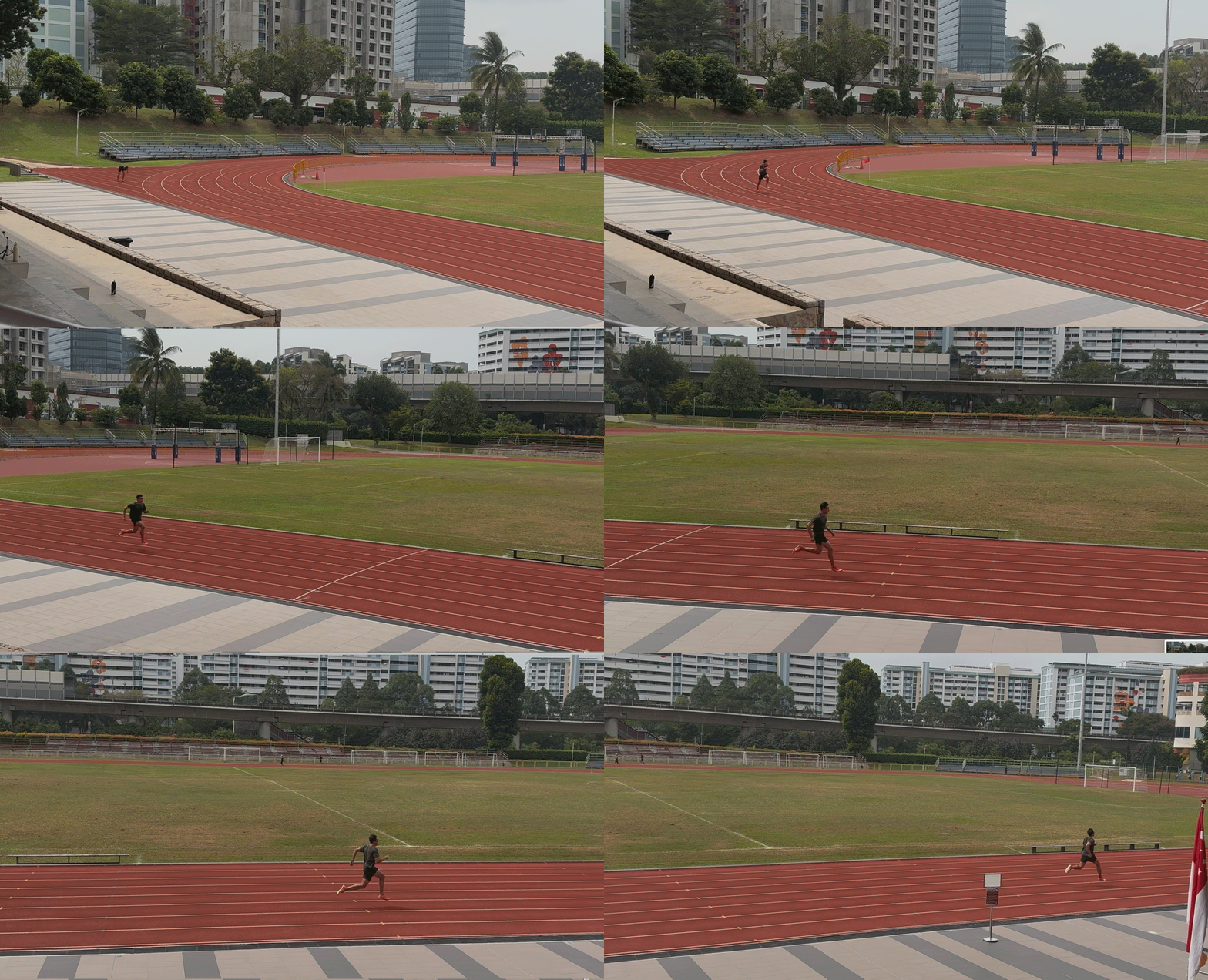
Endurance sports demand repetitive loading over thousands of cycles: running strides, pedal strokes or swim kicks. Even small imbalances in technique or recovery can build up into significant overuse injuries affecting the knees, shins and tendons.
At ATHLETIC INC, we commonly treat:
Patellofemoral pain syndrome (runner's knee)
Achilles tendinopathy
Medial tibial stress syndrome (shin splints)
Each of these shares one theme: load exceeds tissue capacity. Managing them takes a smart balance of physiotherapy, conditioning and recovery science to keep athletes training pain-free.
Runner's Knee (Patellofemoral Pain Syndrome)
What Is Runner's Knee?
Pain around or behind the kneecap, often during running, squats or stairs. It's caused by repetitive friction between the kneecap (patella) and the thigh bone (femur) due to poor tracking, hip weakness or altered running mechanics.
What Causes Runner's Knee?
Excessive mileage increases the load on the knee joint
Weak glutes and poor hip control let the knee collapse inwards (valgus)
Overstriding or downhill running increases impact forces
Inadequate recovery or a sudden spike in training volume
Symptoms of Runner's Knee
An ache at the front of the knee during or after runs
Pain going down stairs or after sitting for long periods (the "movie sign")
Mild swelling or a grinding sensation behind the kneecap
How We Treat Runner's Knee
Movement and gait analysis using HumanTrak for knee and hip alignment
Strength testing with VALD ForceDecks to assess asymmetry
Hip and glute strengthening to stabilise kneecap tracking
Footwear and cadence review for efficient running mechanics
Gradual load progression and recovery programming
Fix your runner's knee and train smarter.
Achilles Tendinopathy
What Is Achilles Tendinopathy?
Inflammation and degeneration of the Achilles tendon, often seen in runners, triathletes and footballers. The tendon becomes thickened and painful, especially with morning stiffness or during the first few steps of a run.
What Causes Achilles Tendinopathy?
A sudden increase in mileage or speed work
Poor calf endurance or limited ankle mobility
A tight posterior chain (hamstrings and calves)
Inadequate footwear support or overpronation
Symptoms of Achilles Tendinopathy
Morning stiffness or pain at the back of the heel
Tenderness along the tendon or where it attaches to the heel
Pain when pushing off or running uphill
How We Treat Achilles Tendinopathy
Ultrasound and palpation assessment to determine the stage (reactive or degenerative)
Isometric and eccentric loading to rebuild tendon capacity
VALD strength testing for objective force tracking
Running gait retraining and cadence optimisation
Recovery support: compression, soft-tissue release and nutrition advice for collagen repair
Rebuild tendon strength and stride with confidence.
Shin Splints (Medial Tibial Stress Syndrome)
What Are Shin Splints?
Pain and inflammation along the inner shinbone (tibia), often from repetitive impact or poor shock absorption.
What Causes Shin Splints?
A rapid increase in running distance or intensity
Inadequate rest between sessions
Weak foot and calf muscles that fail to absorb impact
Poor footwear or hard training surfaces
Symptoms of Shin Splints
A dull ache along the inner shin, worse at the start of runs
Tenderness when pressing on the lower third of the shinbone
Pain that eases with rest but returns with loading
How We Treat Shin Splints
Load management and structured training progression
Gait analysis to identify overstriding or pronation issues
Foot and calf strengthening, barefoot control drills and soft-tissue release
VALD ForceDecks monitoring for jump-landing asymmetry and impact control
Education on recovery, sleep and nutrition to support tissue repair
Recover your rhythm and run stronger.

Our Rehabilitation Process
Phase 1: Pain and load control. Reduce irritation and restore mobility with manual therapy, soft-tissue release and deload programming.
Phase 2: Strength and capacity. Rebuild tissue tolerance with progressive isometric and eccentric loading and gym-based conditioning.
Phase 3: Movement integration. Restore coordination and endurance with gait retraining, cadence control and strength-endurance circuits.
Phase 4: Performance and prevention. Build resilience with sport-specific conditioning, running drills and load monitoring.
How Long Does Recovery Take?
Runner's knee: 4–8 weeks
Achilles tendinopathy: 6–12 weeks, depending on how long you've had it
Shin splints: 4–10 weeks
Return to sport depends on pain-free load progression, strength symmetry and running tolerance under objective testing.
Our Approach at ATHLETIC INC
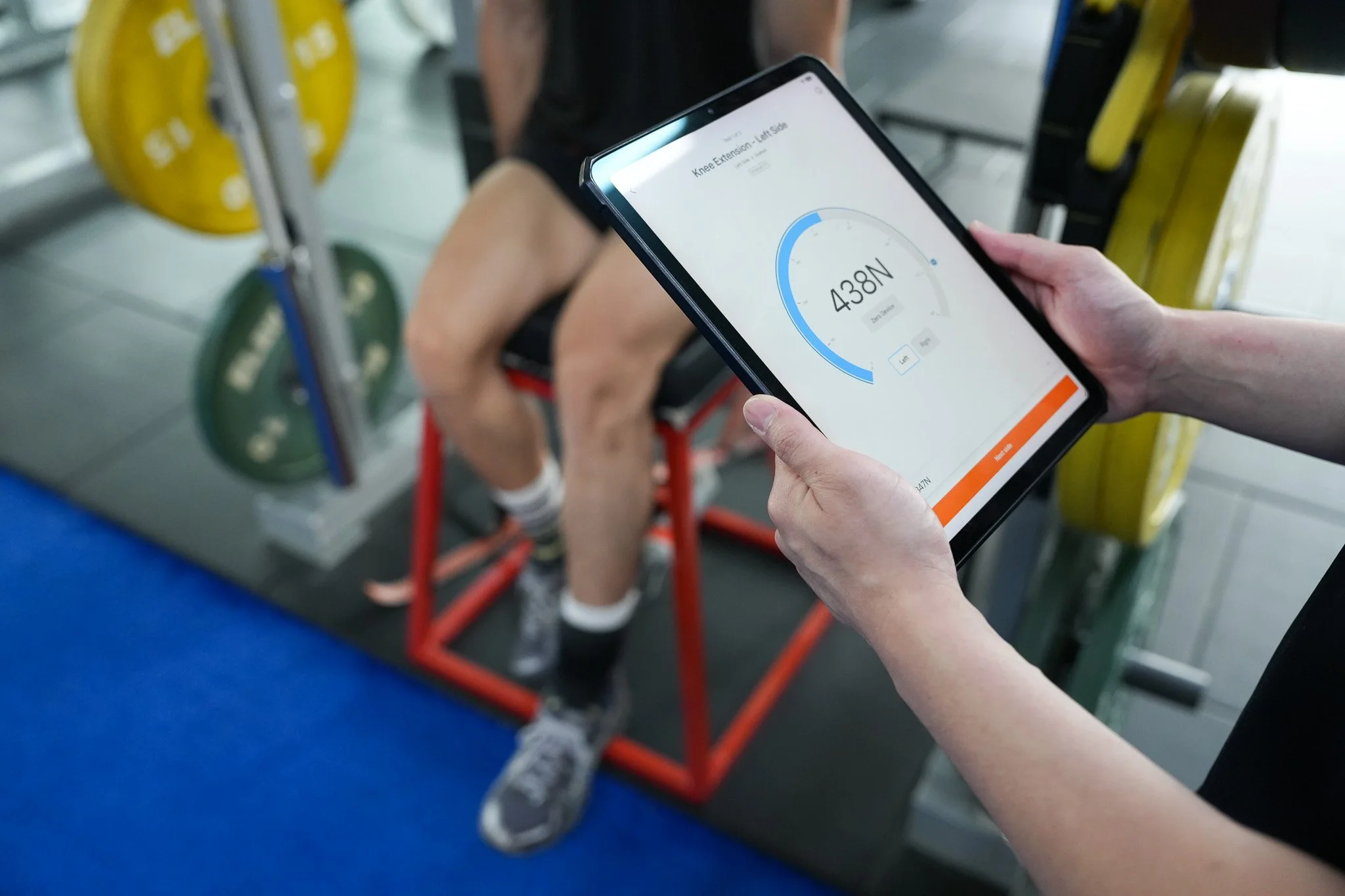
We treat endurance athletes with a performance medicine model, not just rest and pain management. Our team brings together:
VALD testing for measurable strength tracking
HumanTrak gait analysis for running and cycling mechanics
Strength and conditioning programming to build durability
Recovery and nutrition support to improve tissue adaptation
We don't just get you back to training; we build the foundation for long-term performance.
Expected Outcomes
Pain-free running, cycling and training sessions
Improved lower-limb strength and shock absorption
Better movement efficiency and fewer recurring injuries
Greater training capacity and sustainable performance
Book Your Endurance Performance Assessment
Don't ignore early signs of pain: small issues can derail months of training. Our physiotherapists and performance coaches will help you optimise recovery, rebuild resilience and keep your engine running strong.