Supporting Growth, Preventing Injury and Building Future Performance
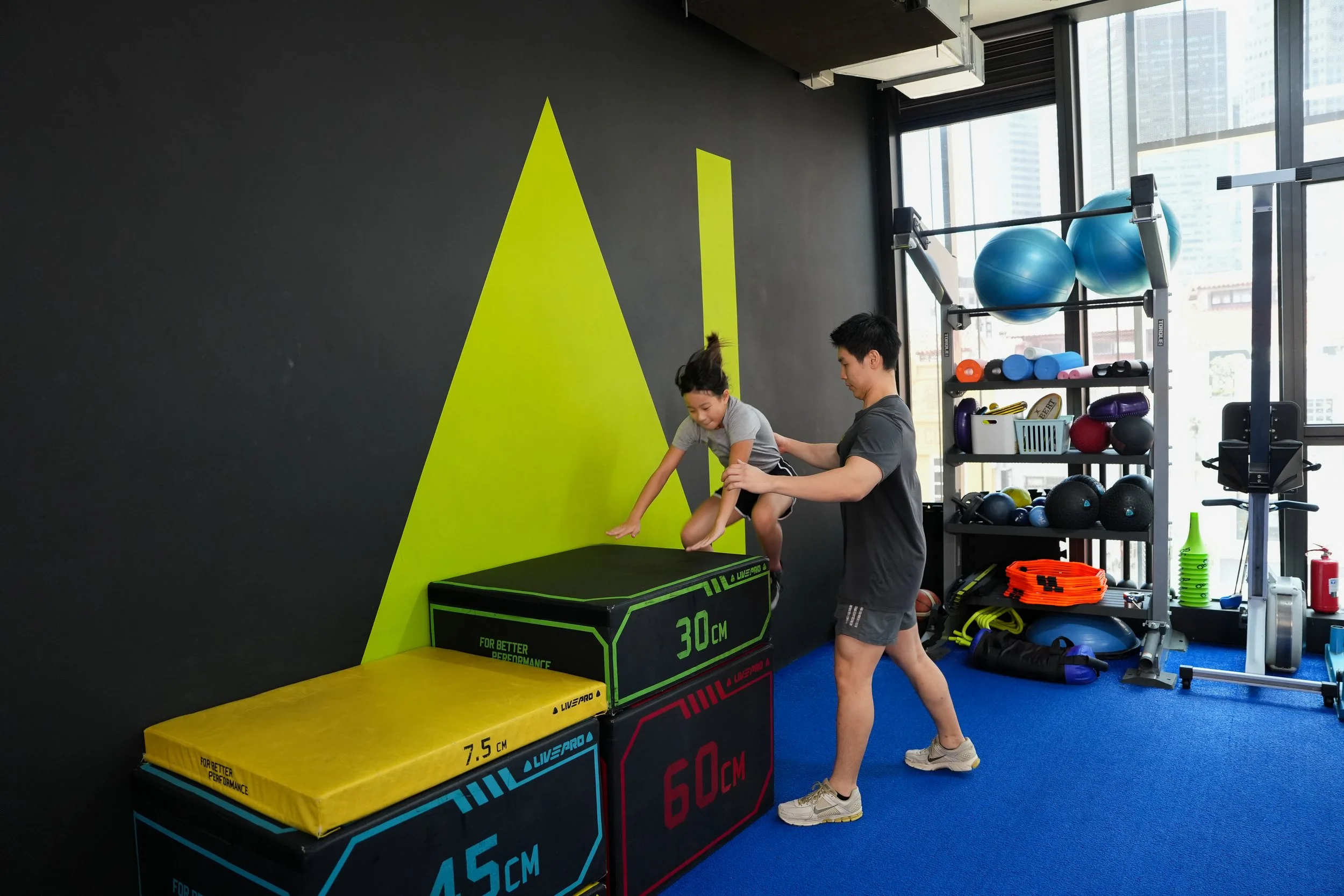
What Are Youth and Adolescent Sports Conditions?
As young athletes grow, their bones, muscles and tendons develop at different rates. This creates a period of temporary imbalance, where bones lengthen faster than muscles can adapt, making joints and growth plates more vulnerable to pain and overuse injury.
At ATHLETIC INC, we commonly see young athletes struggling with:
Growth-related pain (Osgood-Schlatter disease, Sever's disease)
Early sport specialisation issues (overuse, burnout, imbalance)
Adolescent load and posture management (balancing school and sport, strength deficits)
These aren't just "growing pains". They're early signs that the body's load tolerance and recovery systems need better guidance. With the right physiotherapy and training approach, they can be managed safely while the athlete keeps growing and performing.
Growth-Related Pain: Osgood-Schlatter and Sever's Disease
What Are Osgood-Schlatter and Sever's Disease?
Osgood-Schlatter disease: pain at the front of the knee, just below the kneecap, from traction stress at the shinbone's growth plate.
Sever's disease: pain at the back of the heel from the Achilles tendon repeatedly pulling on the heel bone's growth plate.
Both occur in active, rapidly growing children aged 9–15, particularly in sports such as football, swimming, track, gymnastics and basketball.
Why They Happen
During growth spurts, bones lengthen faster than muscles (quads, calves) can adapt, so the muscles tighten
Repetitive jumping or sprinting overloads the attachment sites
Weak hip and core muscles fail to absorb landing forces
Sudden spikes in training load or competition frequency
Symptoms
Localised pain and swelling over the knee or heel
Pain during running, jumping or pushing off
Relief with rest, but pain returns with activity
How We Help
Careful load management: modify activity rather than stopping it
Targeted flexibility and strength work to ease traction forces
Manual therapy and dry needling for pain relief if needed
Progressive strengthening for the quads, calves and hips
Working with coaches to manage training load during growth phases
Help your child stay active, strong and pain-free.
Early Sport Specialisation
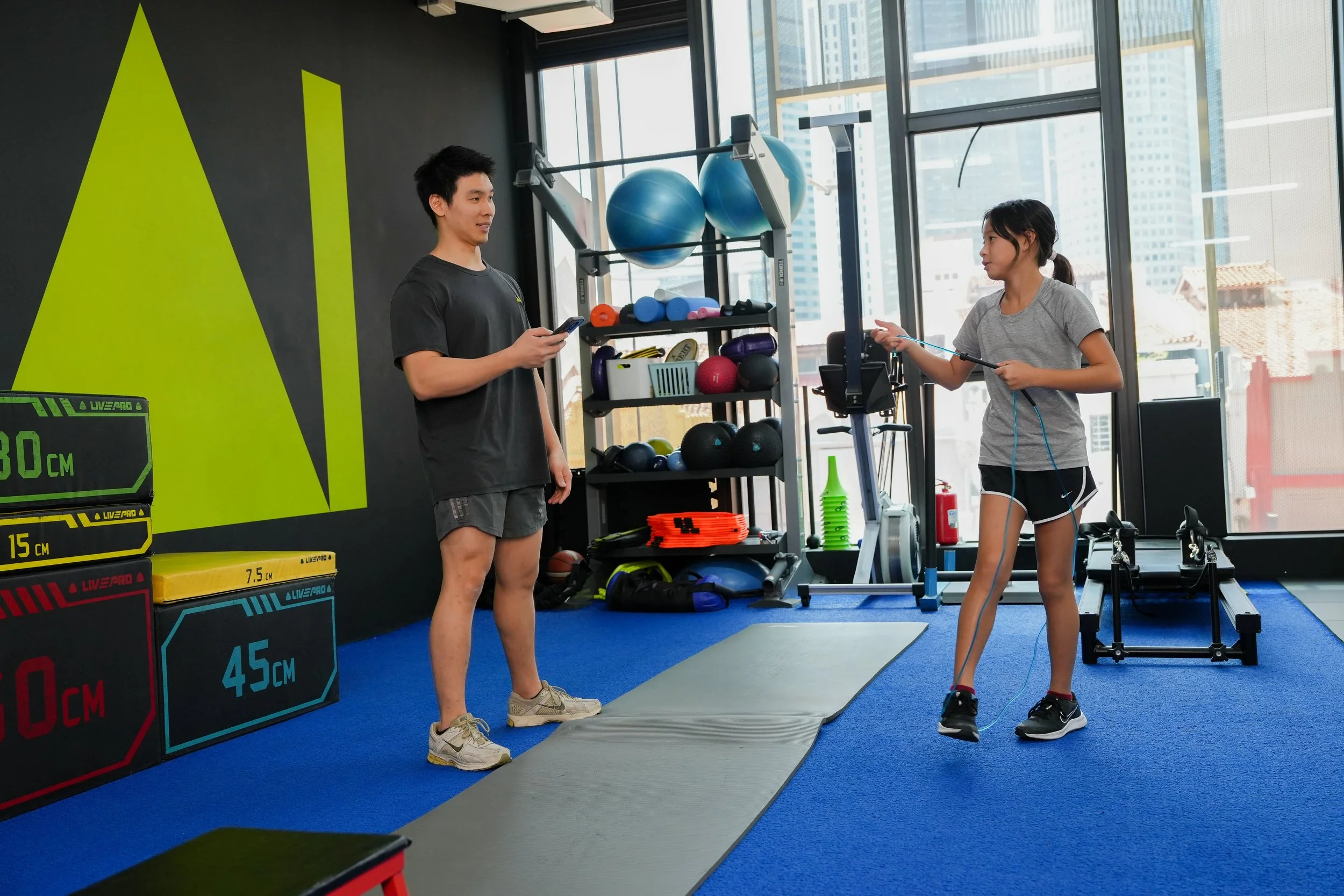
What Is Early Sport Specialisation?
Early sport specialisation means focusing intensely on one sport before puberty, often training or competing year-round. While early commitment can improve skill, it increases the risk of overuse injuries, burnout and delayed physical development.
Why It Happens
High training volume without enough rest or multi-sport exposure
Repetitive movement patterns stressing the same joints
Pressure from competitive pathways or selection systems
A lack of foundational strength or mobility work
Common Issues We See
Shoulder impingement and low back pain in swimmers and racket players
Tendon and knee overload in football and track athletes
Stress reactions or growth plate irritation from repetitive loading
How We Help
Whole-body movement screening to identify imbalance or asymmetry
Strength and conditioning to build a resilient foundation
Load management education for athletes, parents and coaches
Structured cross-training to promote all-round development
Mentorship on mindset, recovery and injury prevention
Train smarter, not just harder, for longevity in sport.
Adolescent Load and Posture Management
Why Load and Posture Matter for Teenage Athletes
Many young athletes juggle long school hours, long commutes and demanding training schedules. This combination often leads to poor posture, tight hips and weak trunk control, limiting performance and increasing the risk of pain or fatigue.
Why It Happens
Long hours sitting at school, leading to shortened hip flexors and rounded posture
Inadequate rest and sleep during growth periods
Weak core or scapular control affecting shoulder and lower back function
Overtraining or poor recovery habits
How We Help
Postural movement assessment using HumanTrak 3D to measure mobility and alignment
Mobility drills and corrective exercises for the spine, hips and shoulders
Core and lower-limb strength programmes tailored to the school–sport balance
Education on sleep, recovery and nutrition to support growth
Coordinating with parents and coaches to optimise schedules and load
Build strong movement habits early; they'll last a lifetime.
Our Youth Rehabilitation Process
Phase 1: Pain relief. Reduce symptoms and protect growth plates with manual therapy, mobility drills and load modification.
Phase 2: Rebuild strength and balance. Correct muscle imbalances with hip, core and foot strengthening and coordination drills.
Phase 3: Movement control and posture. Improve control and efficiency with gait and posture retraining and sport-specific patterns.
Phase 4: Performance and prevention. Support long-term development with age-appropriate strength and conditioning and education.
How Long Does Recovery Take?
Osgood-Schlatter or Sever's disease: 4–8 weeks, managed progressively
Overuse from early specialisation: 6–12 weeks, with cross-training
Posture- or load-related pain: 4–6 weeks for noticeable improvement
Recovery depends on growth rate, training volume and how closely the plan is followed.
Our Approach at ATHLETIC INC
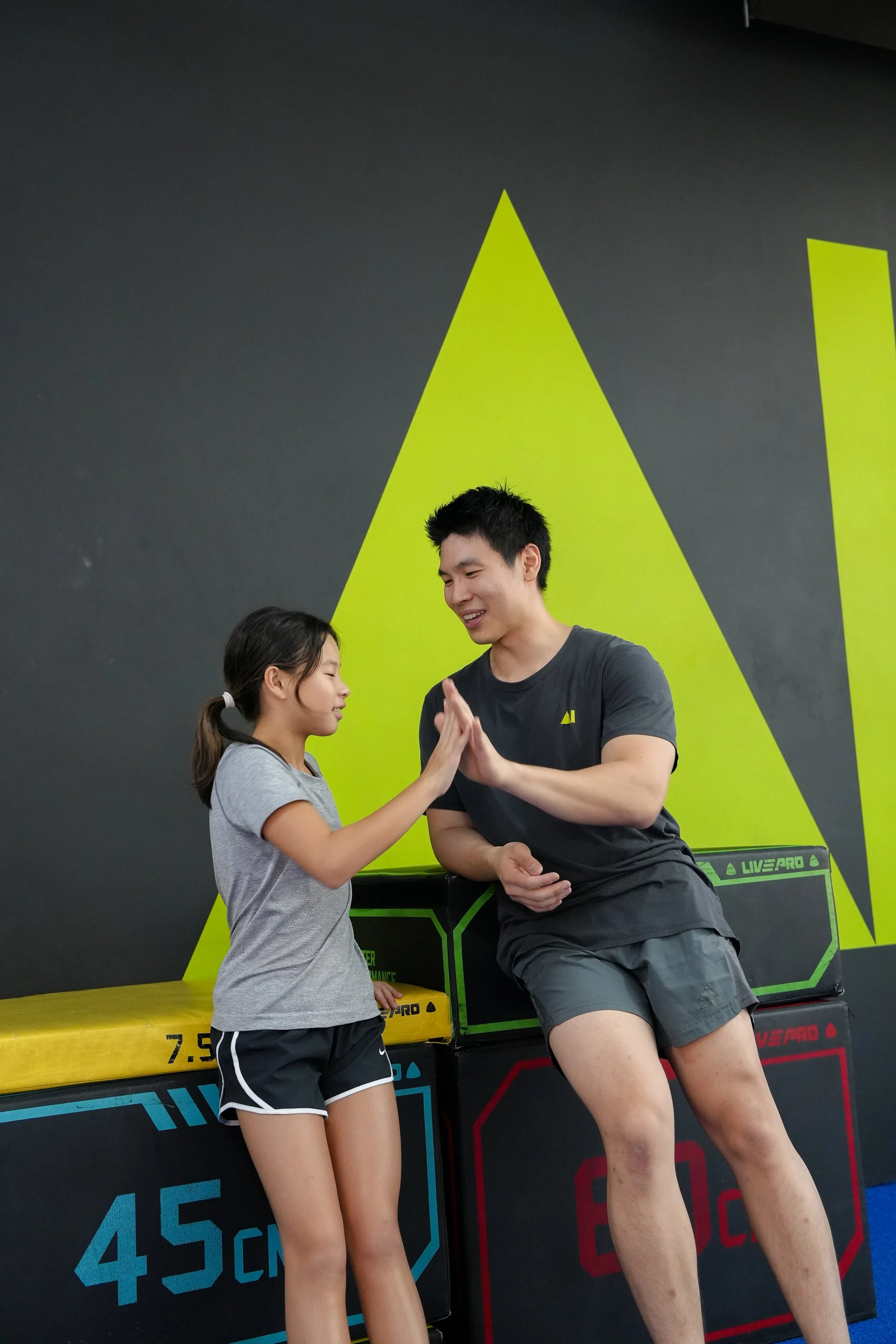
At ATHLETIC INC, we believe young athletes deserve world-class support, not just when injured but through every stage of their growth. Our team combines physiotherapy, strength and conditioning, and recovery education to:
Support safe training loads during growth spurts
Build coordination, control and strength foundations
Prevent burnout and recurring injuries
Educate parents and coaches for sustainable athletic development
We work with schools, clubs and national programmes to help the next generation of athletes grow strong, move well and perform with confidence.
Expected Outcomes
A pain-free return to training and school sport
Improved posture, balance and coordination
A stronger foundation for future high-performance training
Awareness of load, recovery and self-care habits
Book a Youth Performance Assessment
Don't wait for pain to limit your child's potential. Our physiotherapists and performance team will assess, guide and support their growth safely.