Sports Psychology for Parents of Competitive Athletes
What Does Your Child Wish You Knew? The Realities of Youth Sports Psychology
You show up to every race, every match, and every early-morning training session. You manage the logistics, the equipment, and the schedules. But when the pressure is truly on, do you know what your young athlete actually needs from you on the sidelines?
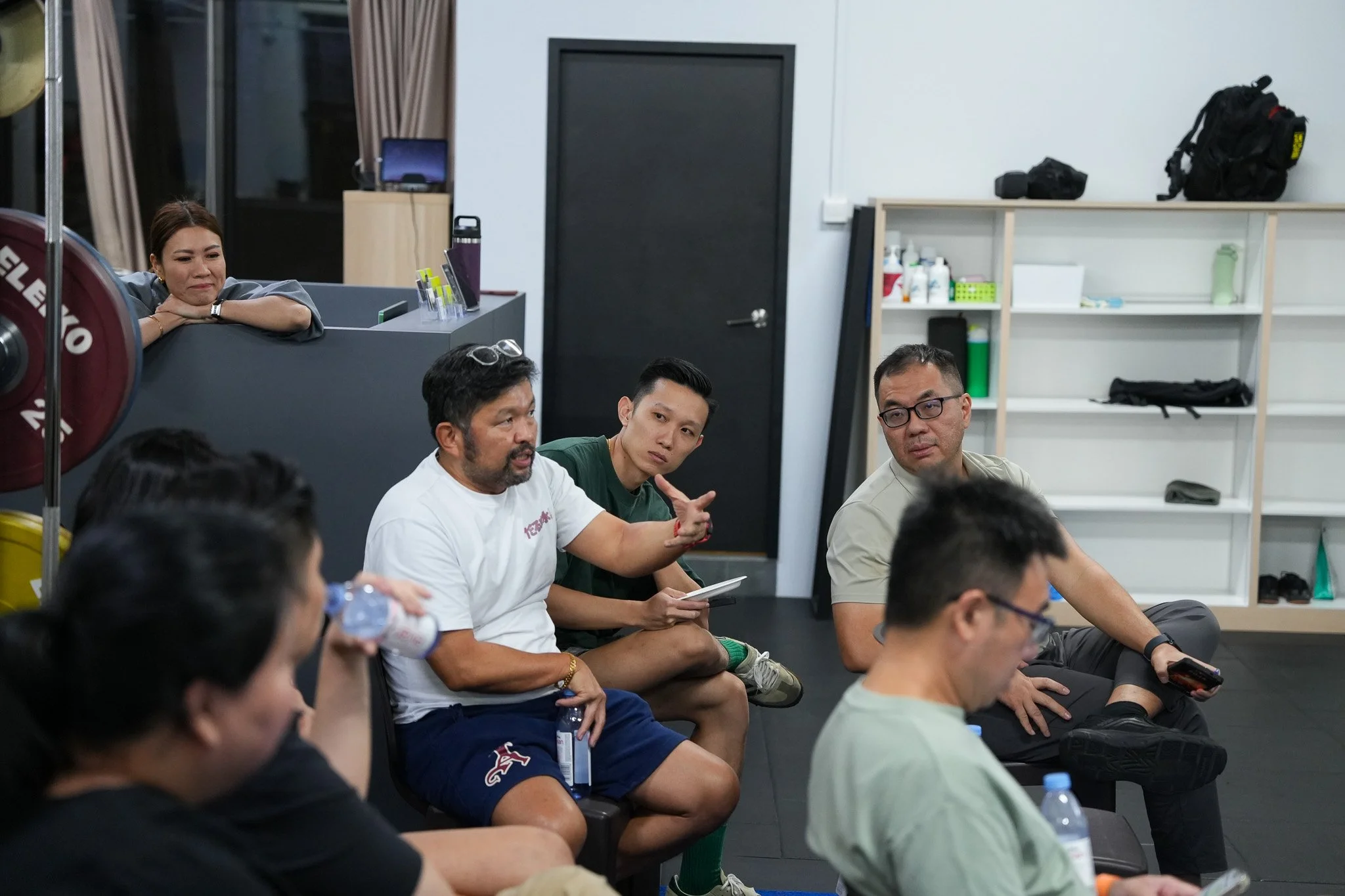
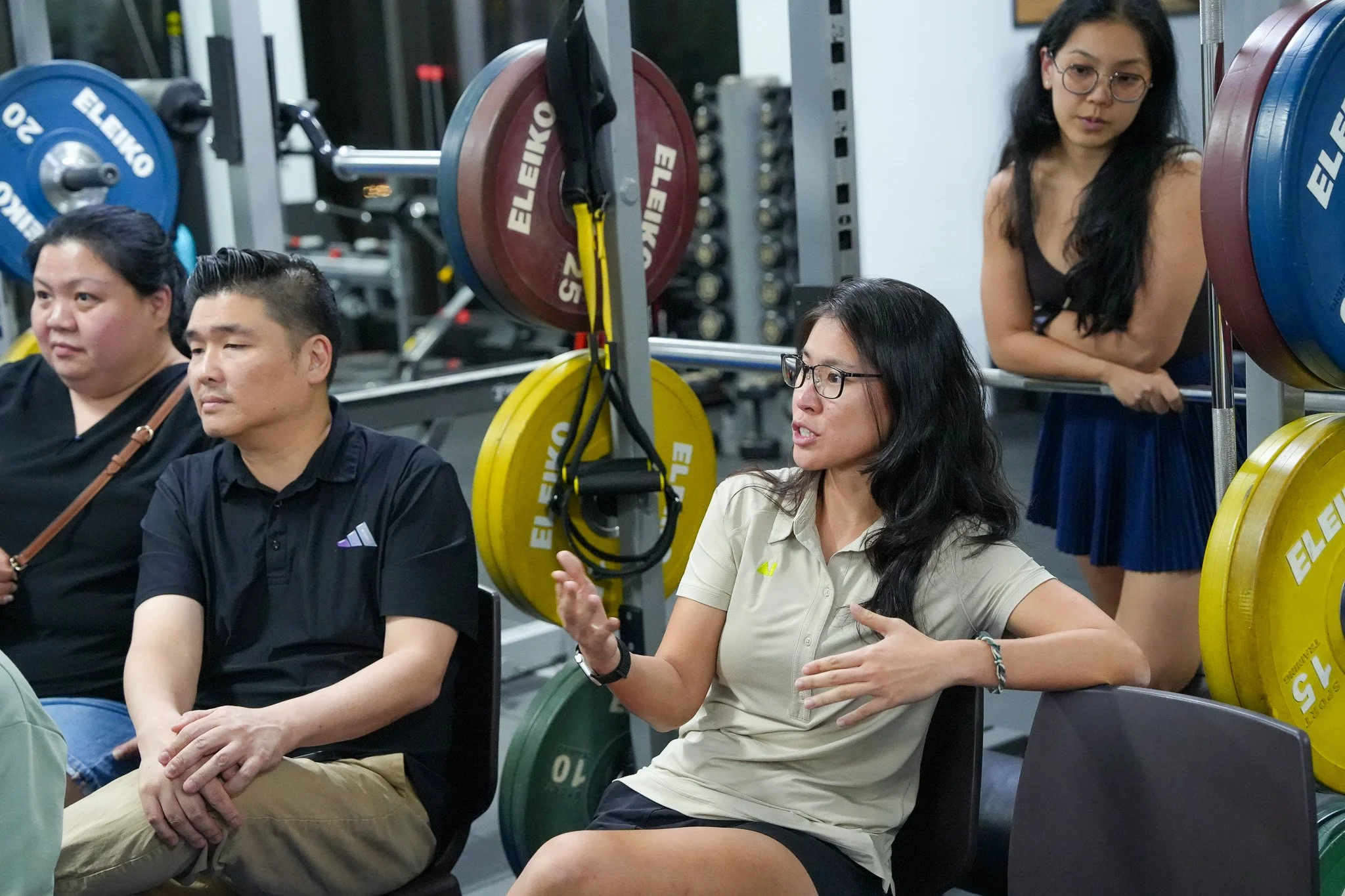
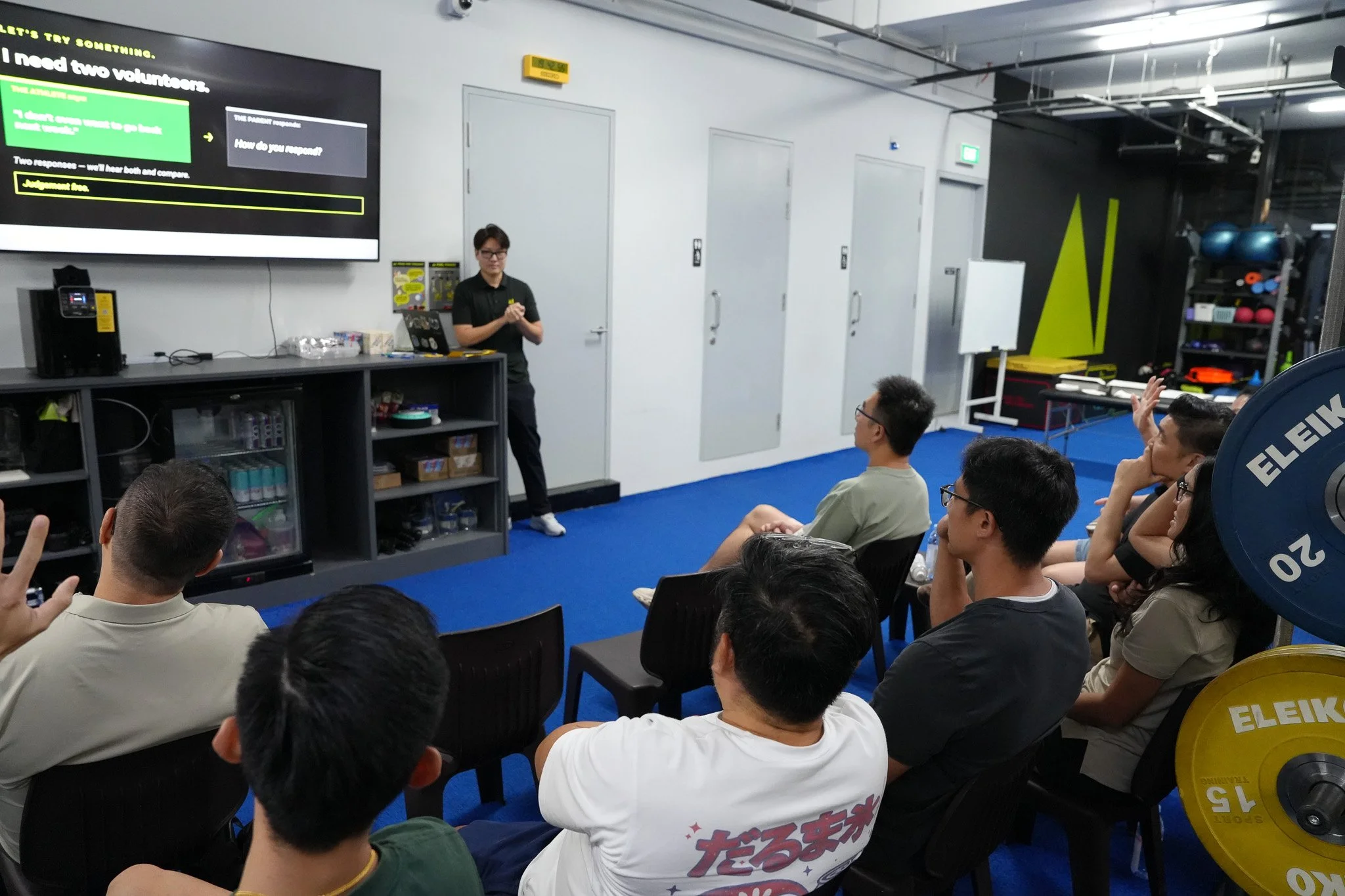
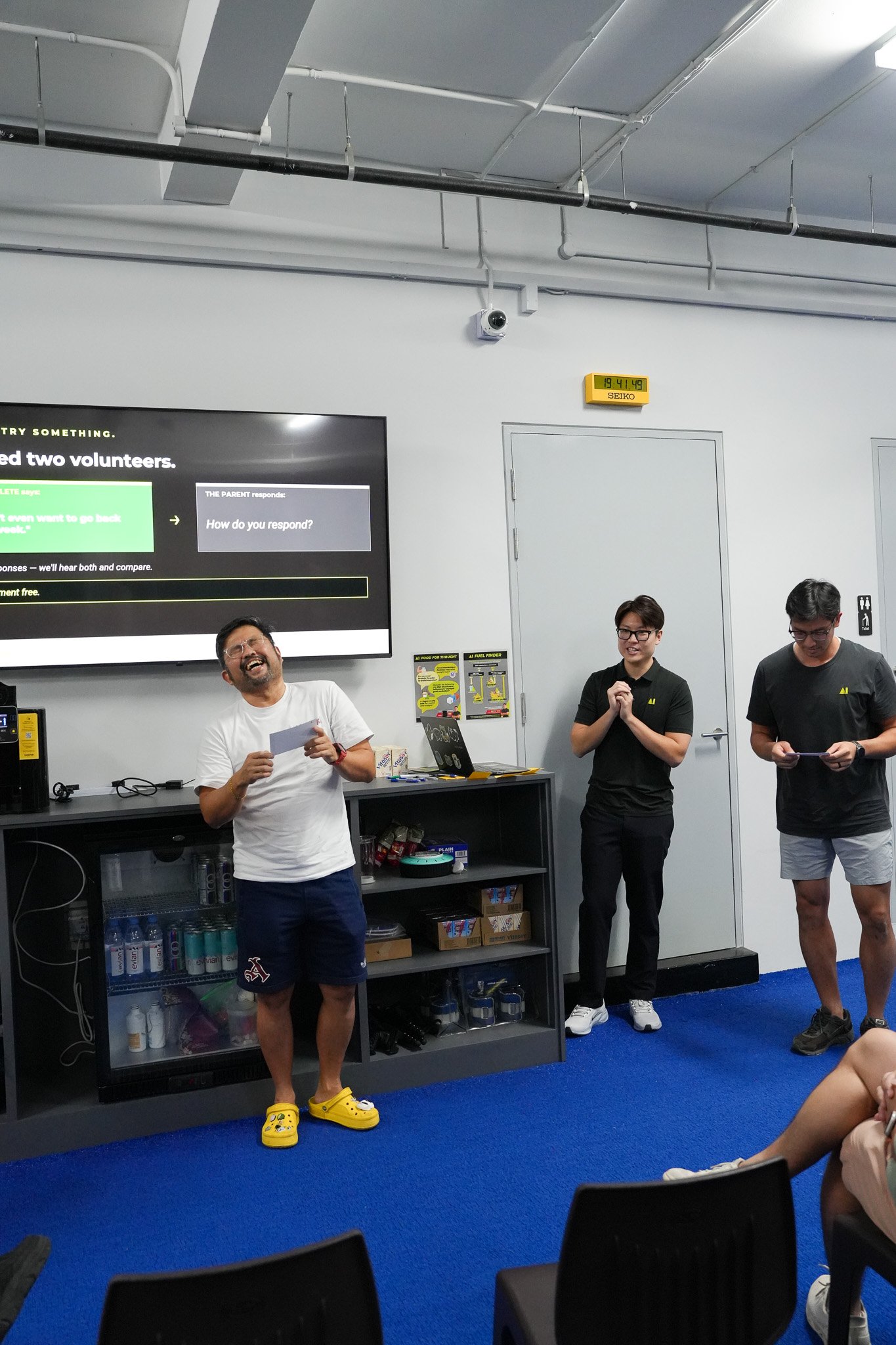
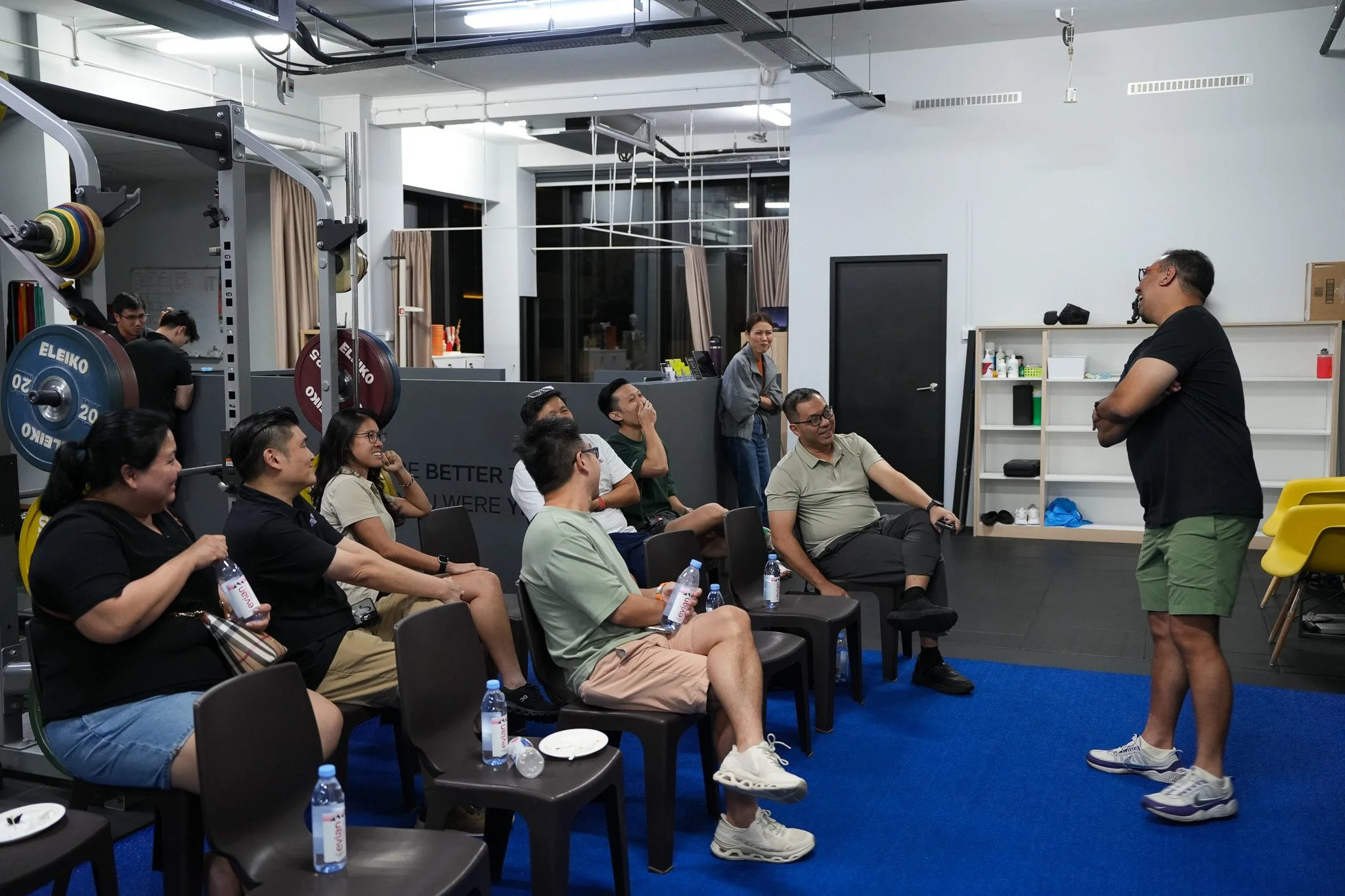
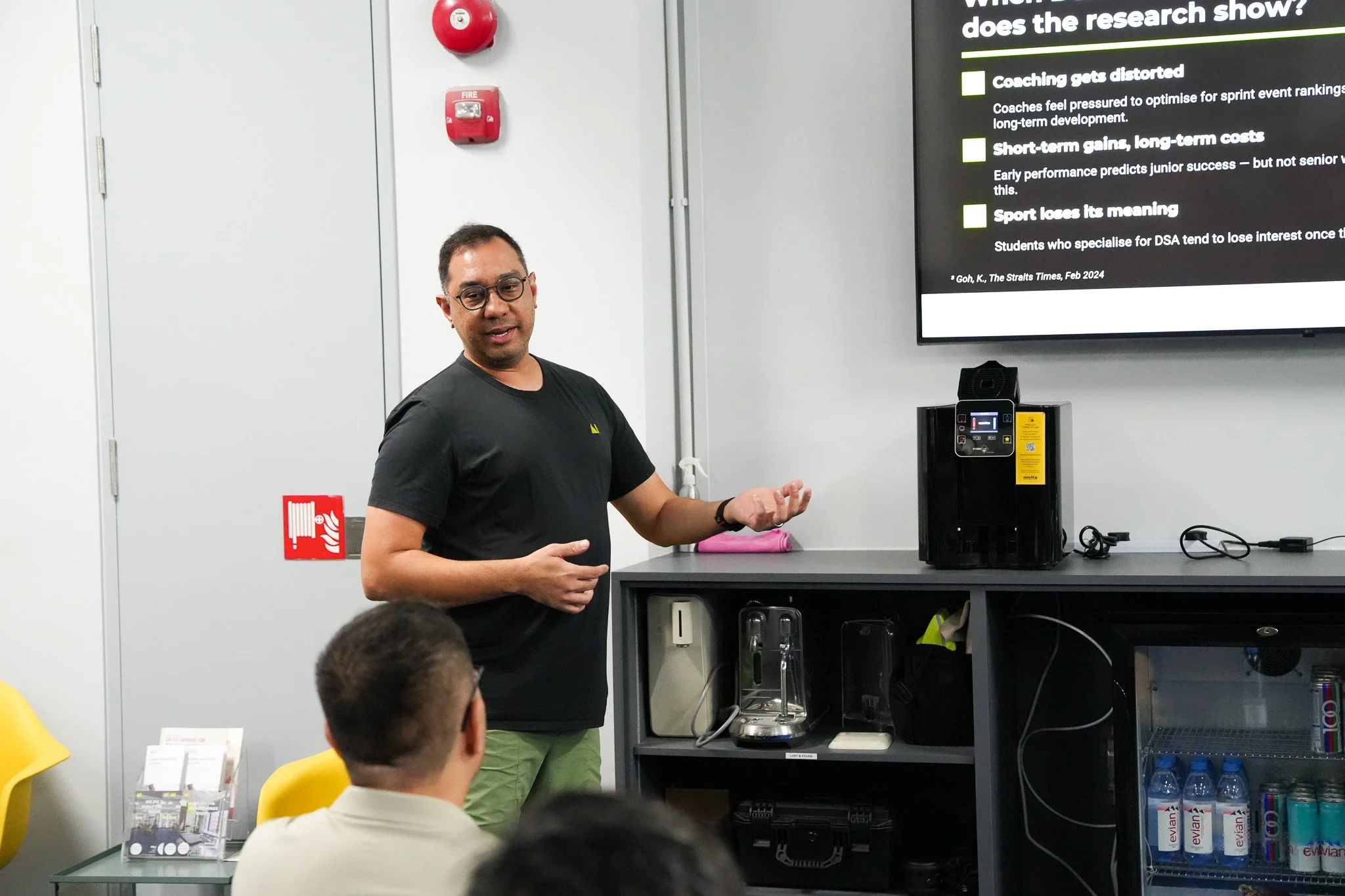
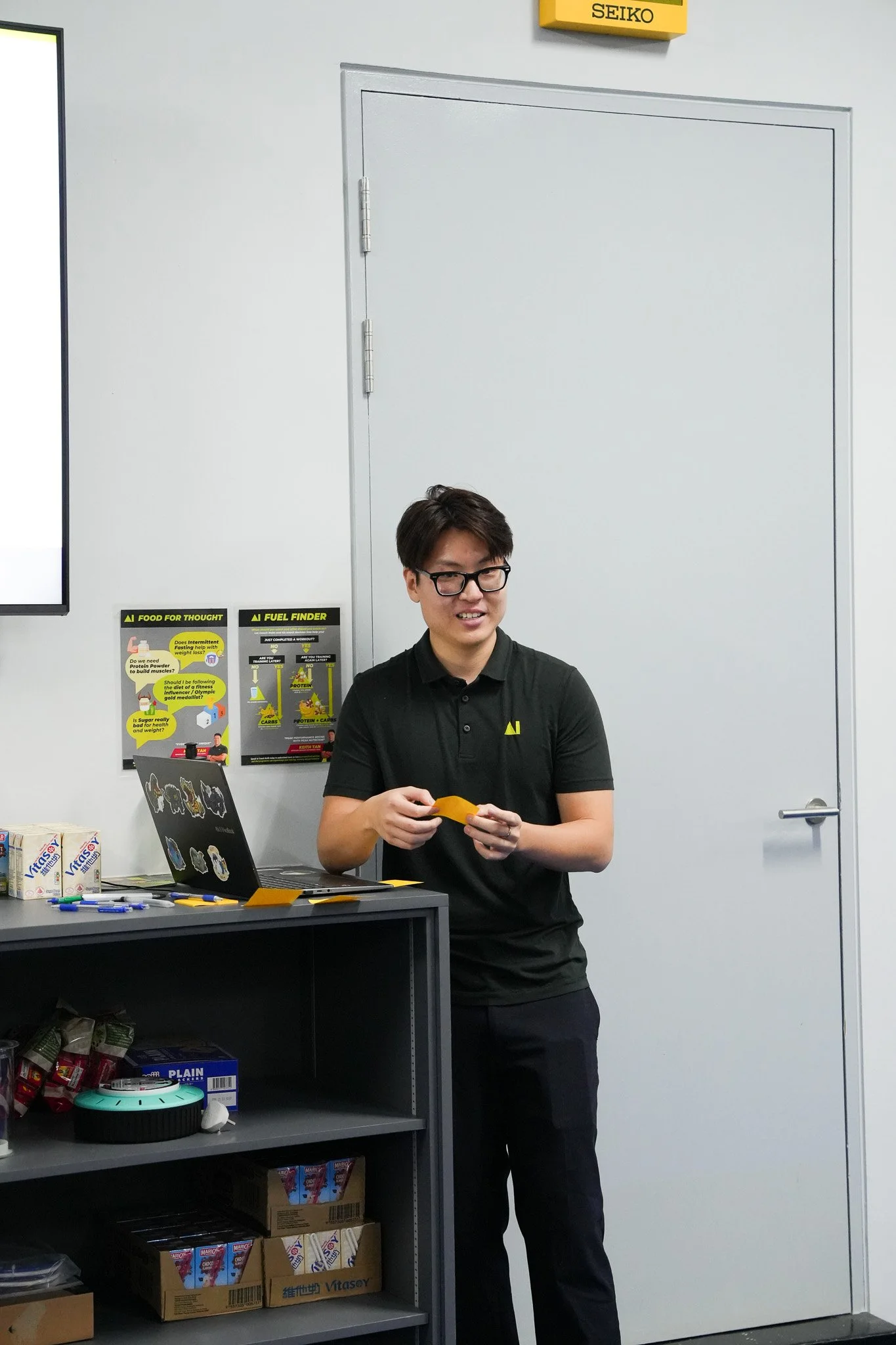
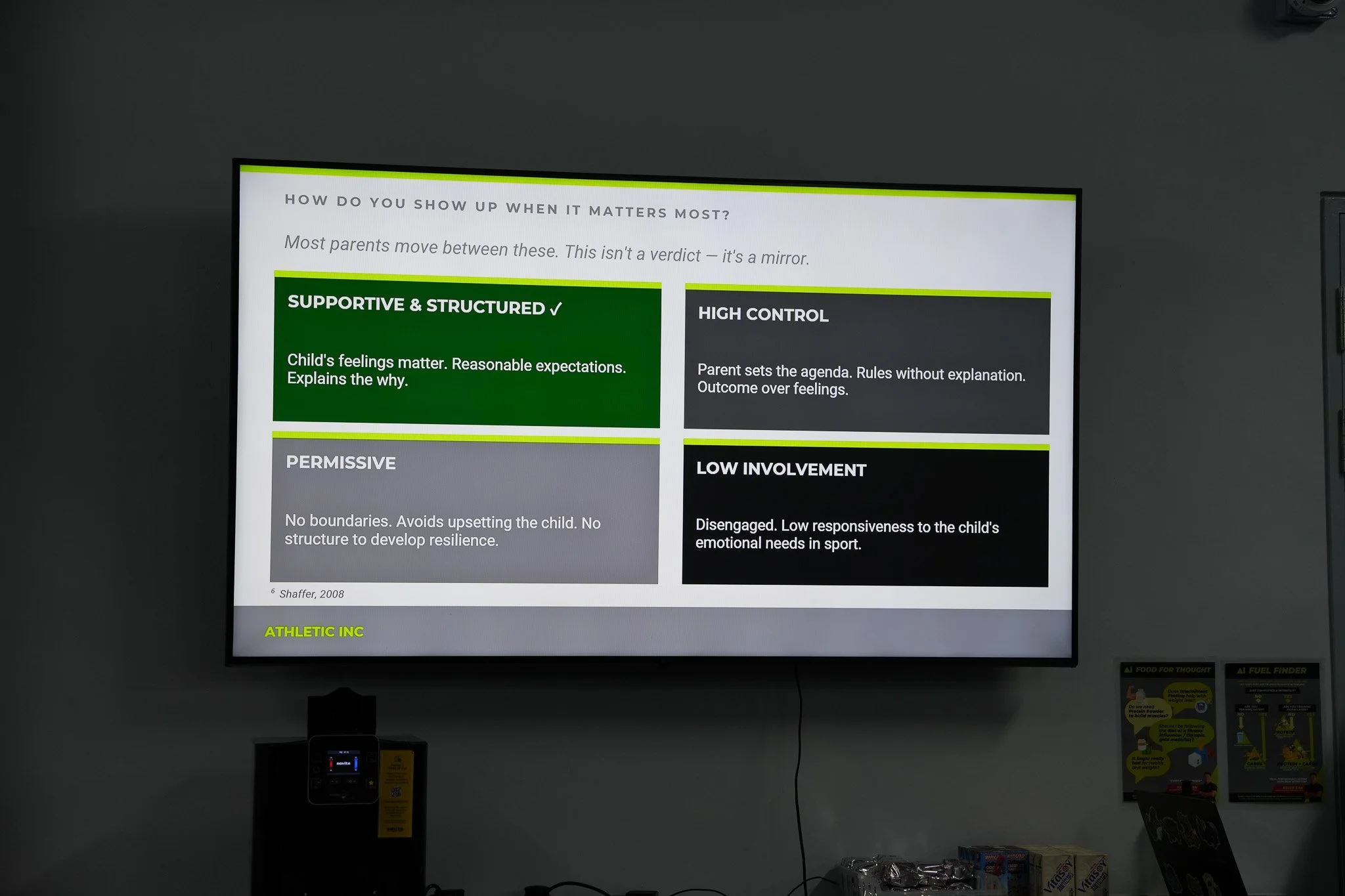
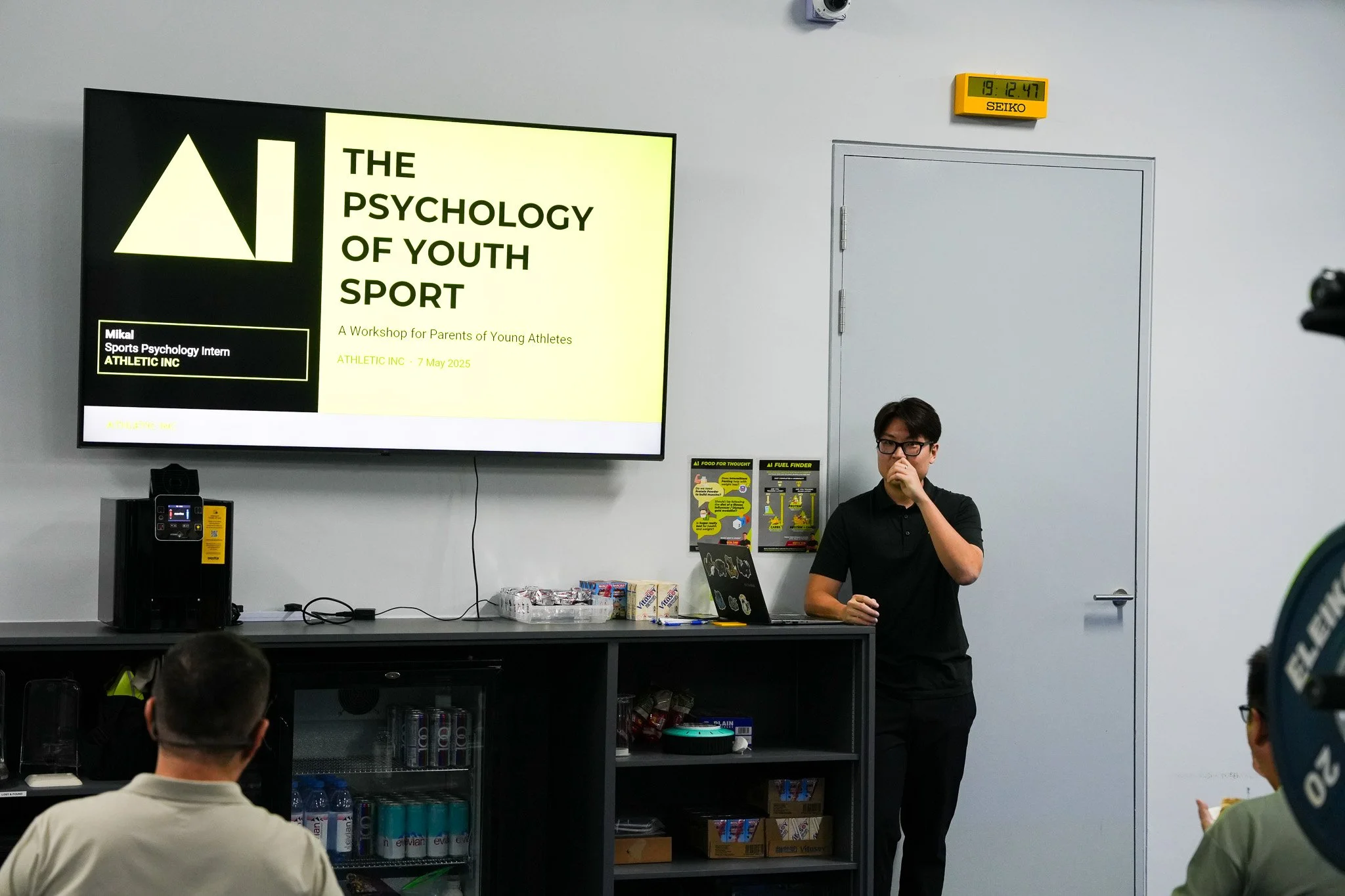
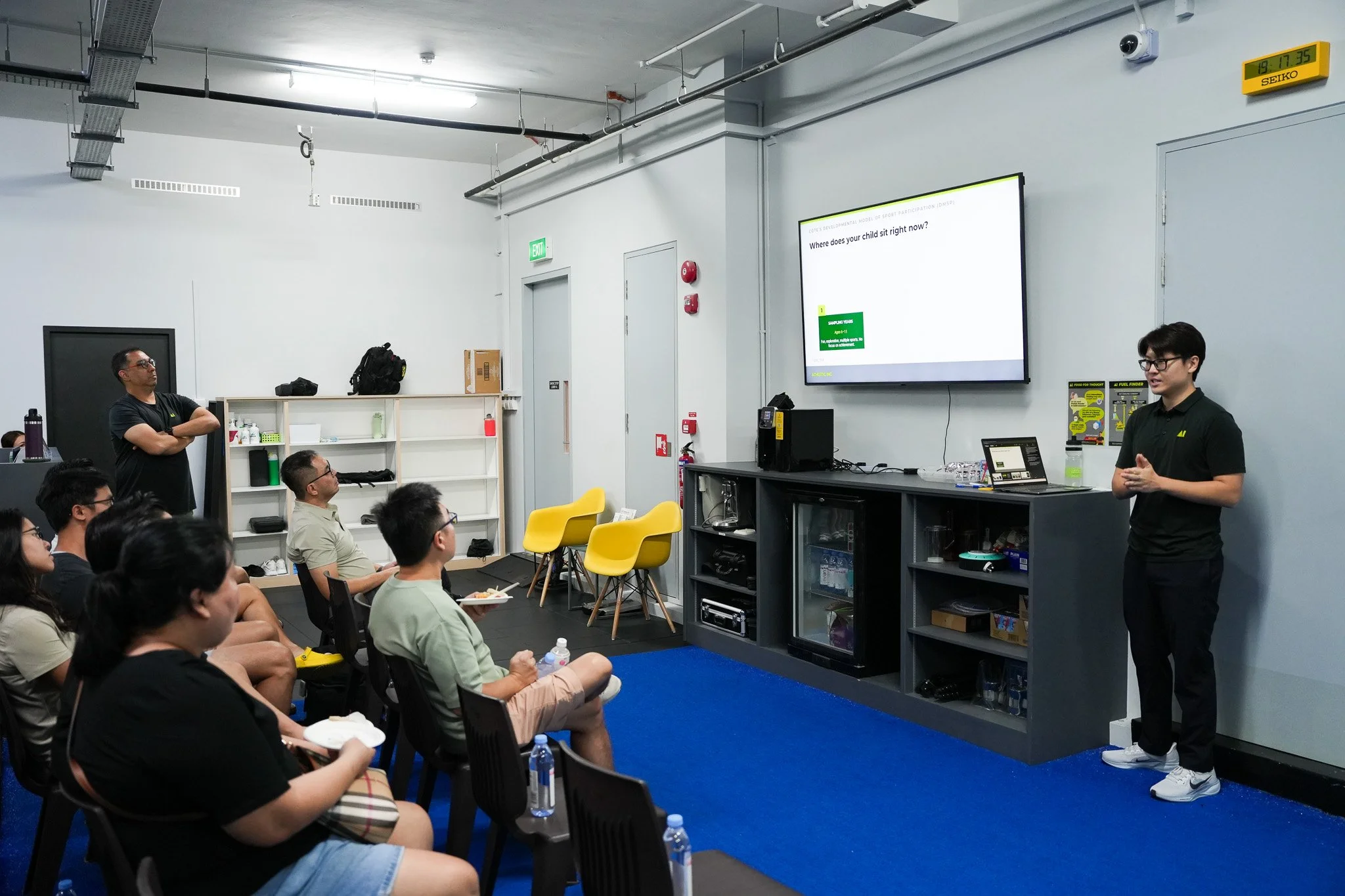
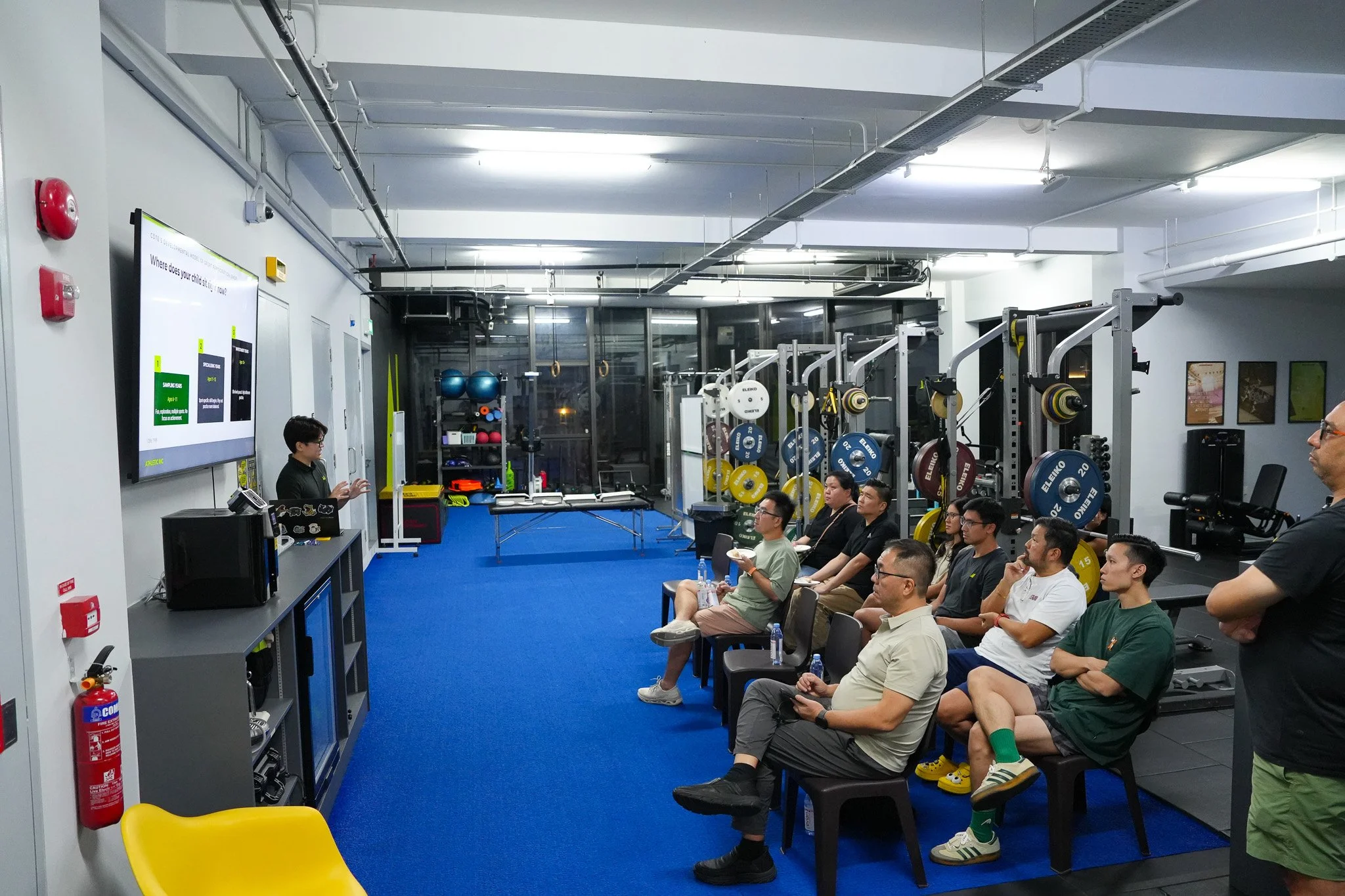
Raising a competitor takes far more than physical preparation; it requires building a resilient, bulletproof mindset. Earlier this month, ATHLETIC INC hosted an exclusive, evidence-based workshop led by our Psychology Undergraduate, Mikal. The goal was simple but vital: to share the science of youth sports psychology and provide parents with clear, actionable strategies they can implement today.
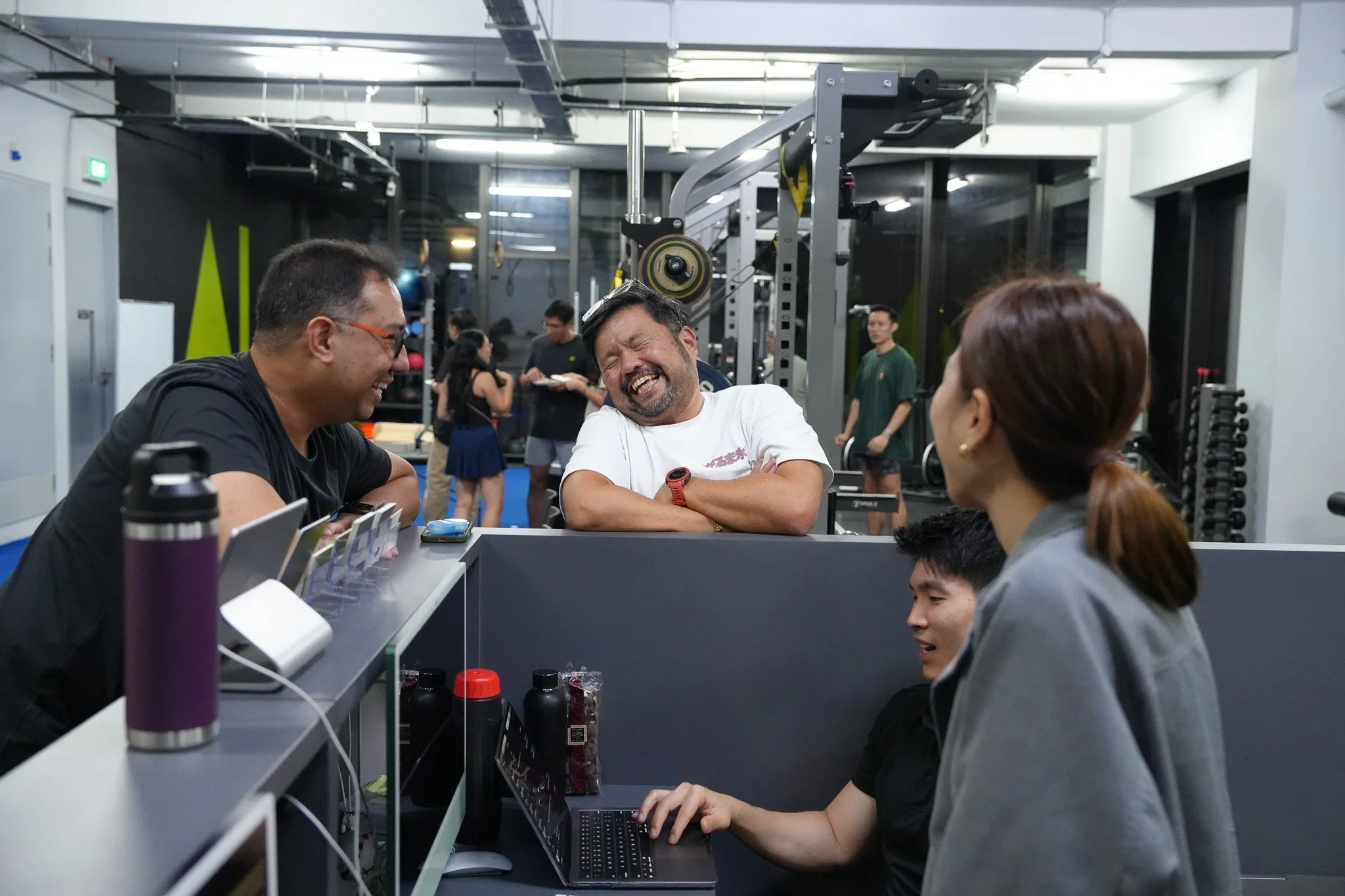
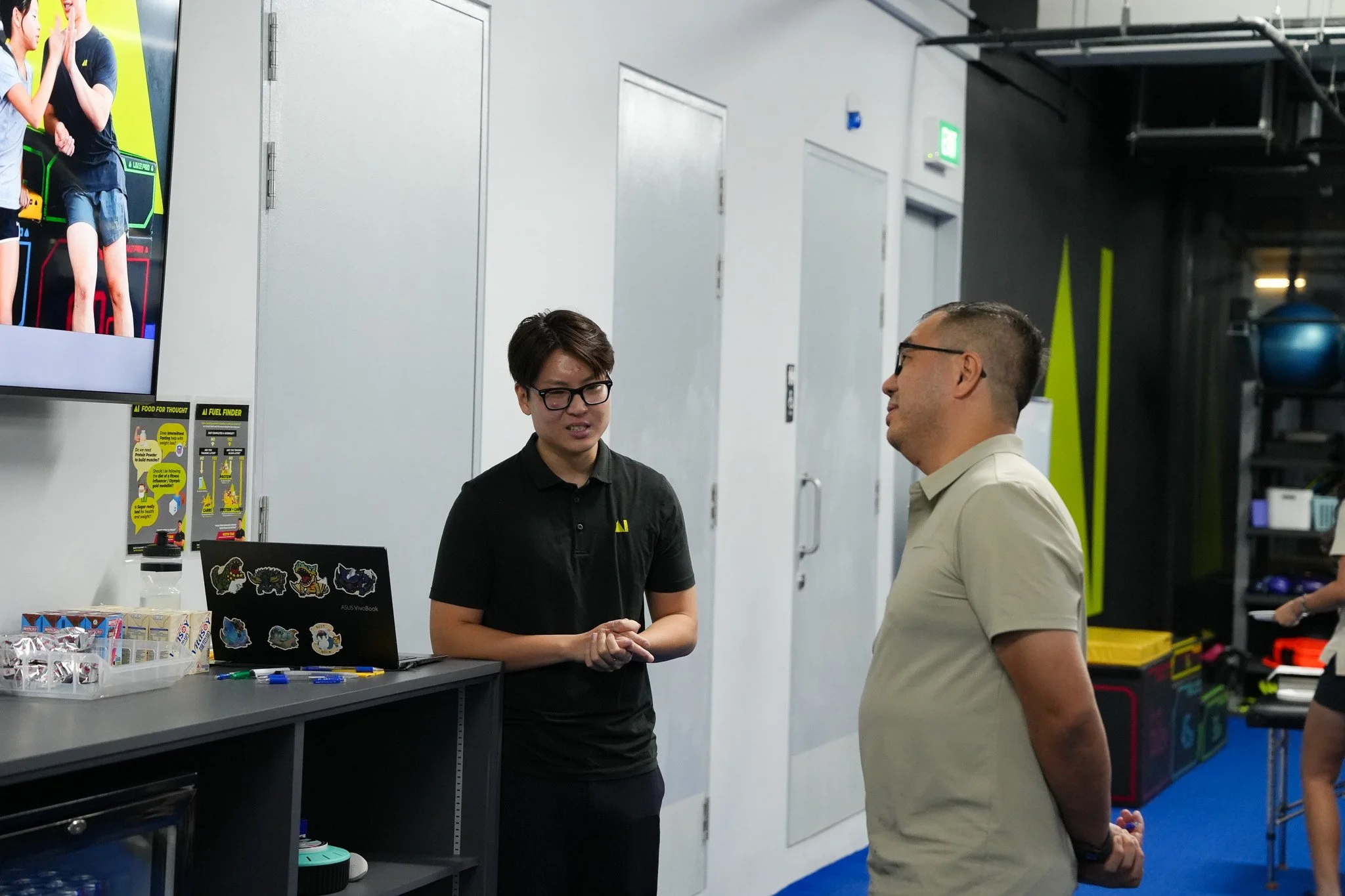
The conversations on the floor were nothing short of incredible. As shared by Andrew, a parent of one of our youth athletes, and Megan, our Physiotherapist and Coach, the biggest takeaway of the evening was the absolute necessity of digging deeper into our athletes' feedback and actively prioritising their psychological wellness.
For those who missed the session, here are the three critical takeaways from our playbook.
Watch the recap
1. The Double-Edged Sword of Early Specialisation Committing to a single sport at a young age has its distinct pros and cons. While it can accelerate specific skill development, it also increases the risk of repetitive strain and psychological fatigue.
The Actionable: Do not leave this to assumption. Sit down with your child, have an honest conversation about the demands of early specialisation, and weigh what matters most to their long-term development and happiness.
2. The Three Critical Hats of a Sports Parent Your role in your child's athletic development is multifaceted. On the sidelines, you are actively playing three distinct roles:
The Supplier: Managing the logistics—bringing them to practice, covering costs, and making the time.
The Translator: Helping them process the intense emotions of competition, rivalry, and performance pressure.
The Role Model: Setting the ultimate standard for sportsmanship and showing them exactly how to behave during both triumph and defeat.
3. Decoding Motivation vs. Burnout We often confuse physical fatigue with burnout, but they are entirely different beasts. Burnout is a profound emotional withdrawal from a sport that was once loved. Conversely, true self-motivation hinges on three pillars: competence, autonomy, and relatedness. Parents have the power to positively influence all three by fostering an environment where the child feels capable, in control of their choices, and deeply supported.
Where Do We Go From Here? During the workshop, we heard a strong, resounding interest from parents wanting to learn how to spot the early signs of anxiety and how to approach these tough conversations at home. We hear you, and we will be diving deeper into these topics in the near future.
However, it is vital to remember that every child is entirely unique. While there are countless resources available online, applying generic advice to a nuanced situation often falls short.
If you want to ensure your young athlete is supported both physically and mentally, our trusted professionals and coaching team at ATHLETIC INC are here to help.
ATHLETIC INC

Let’s build your child's athletic potential together.
True performance requires a team effort. Our multidisciplinary experts cover every angle—strength and conditioning, physiotherapy, recovery, and nutrition. We partner directly with you and their sport-specific coaches to create a cohesive, holistic framework that truly elevates your young athlete's game. Speak to our friendly coaching team today.